
The Challenge
Zlatko Lugarić Photography is a high-end wedding photographer whose previous digital home was failing to match his talent. The goal was to move away from a "standard gallery" and create a high-converting platform that handles client anxieties and positions Zlatko as a premium, stress-free choice for couples.
Narrative Gap: The old site was a "digital warehouse" of photos but lacked a story.
Dated Aesthetics: Small images, inconsistent spacing, and a layout that felt static.
Friction: Pricing and process information were hidden, forcing potential clients to work too hard to find answers.
Concept
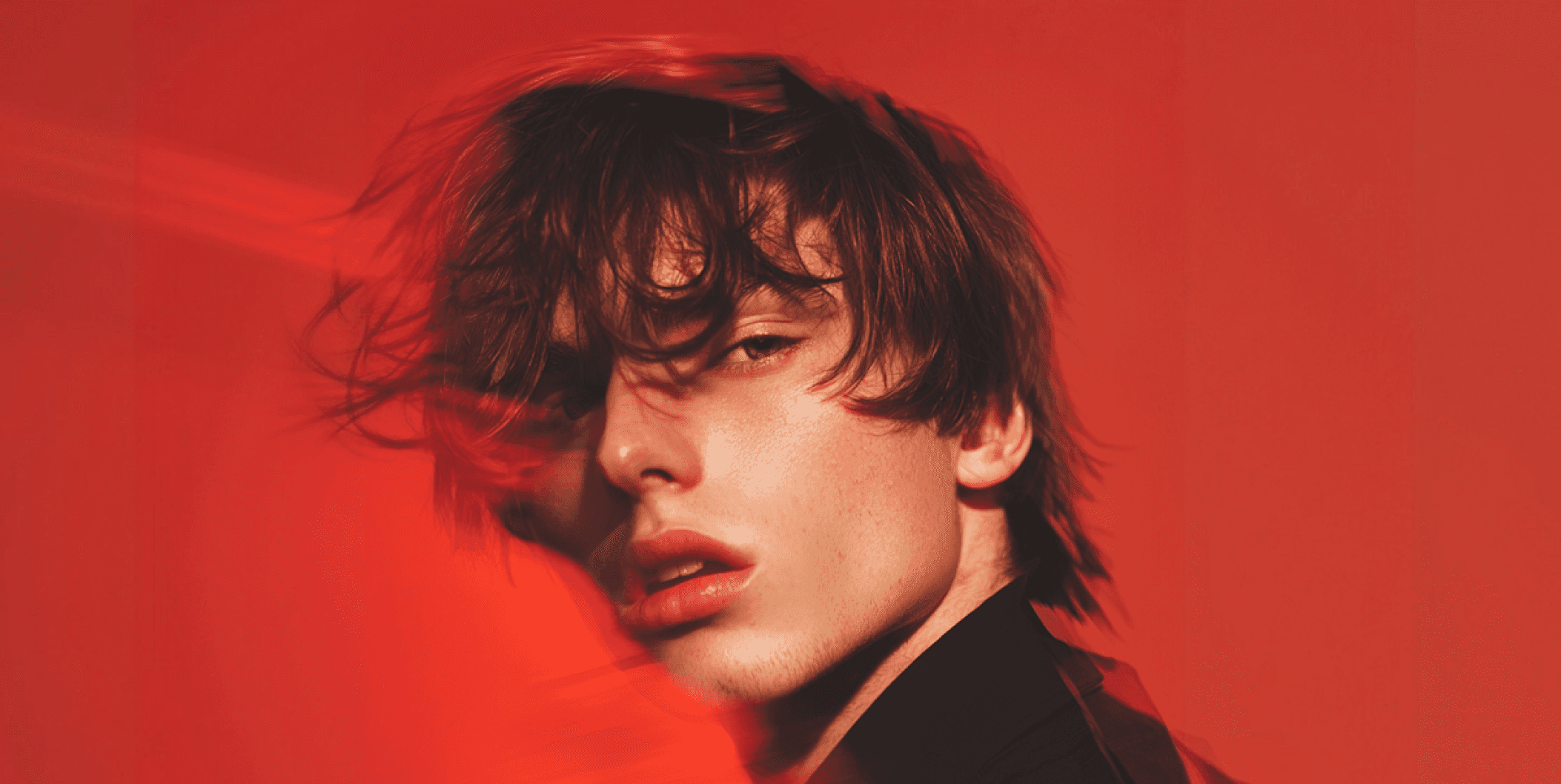
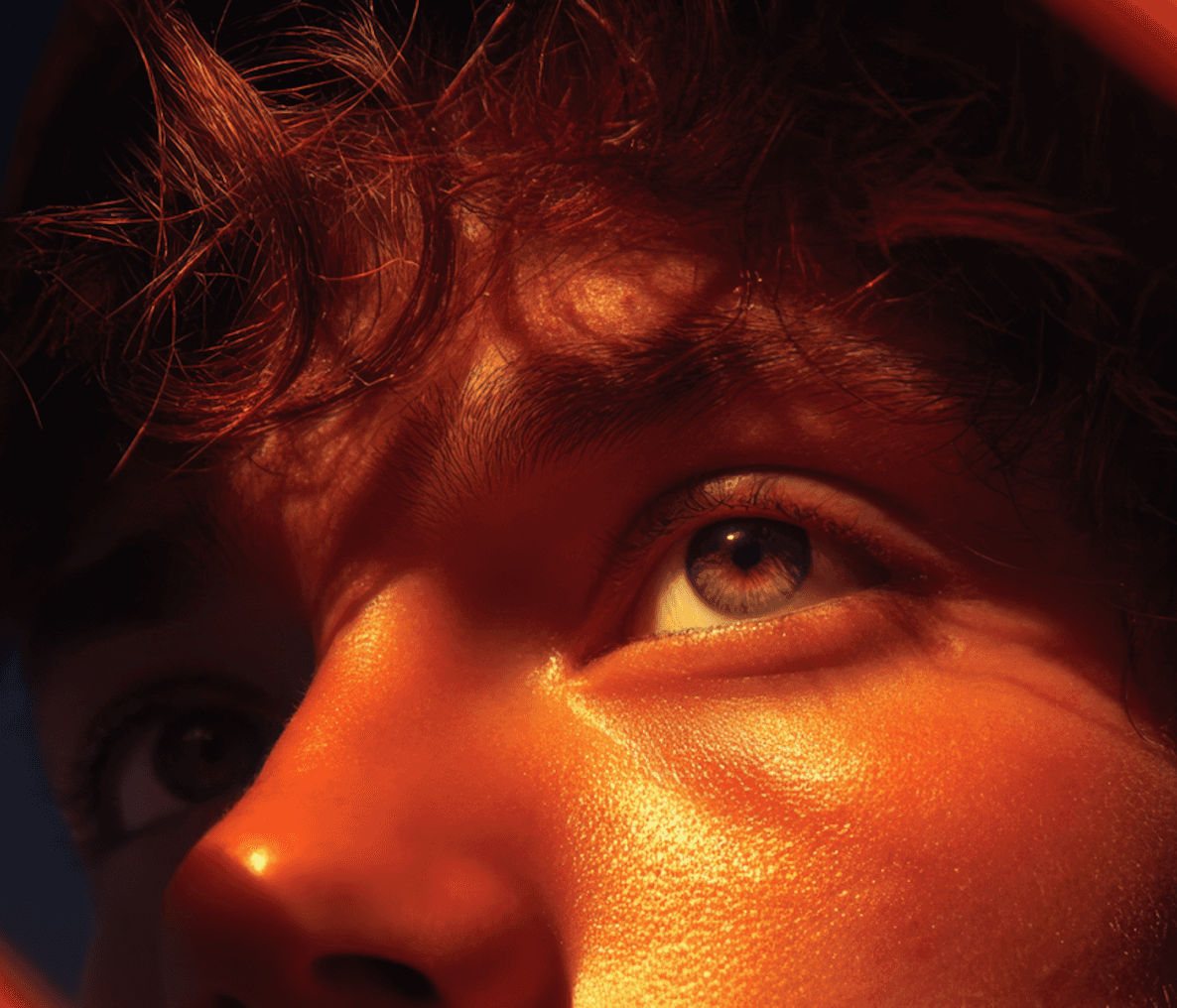
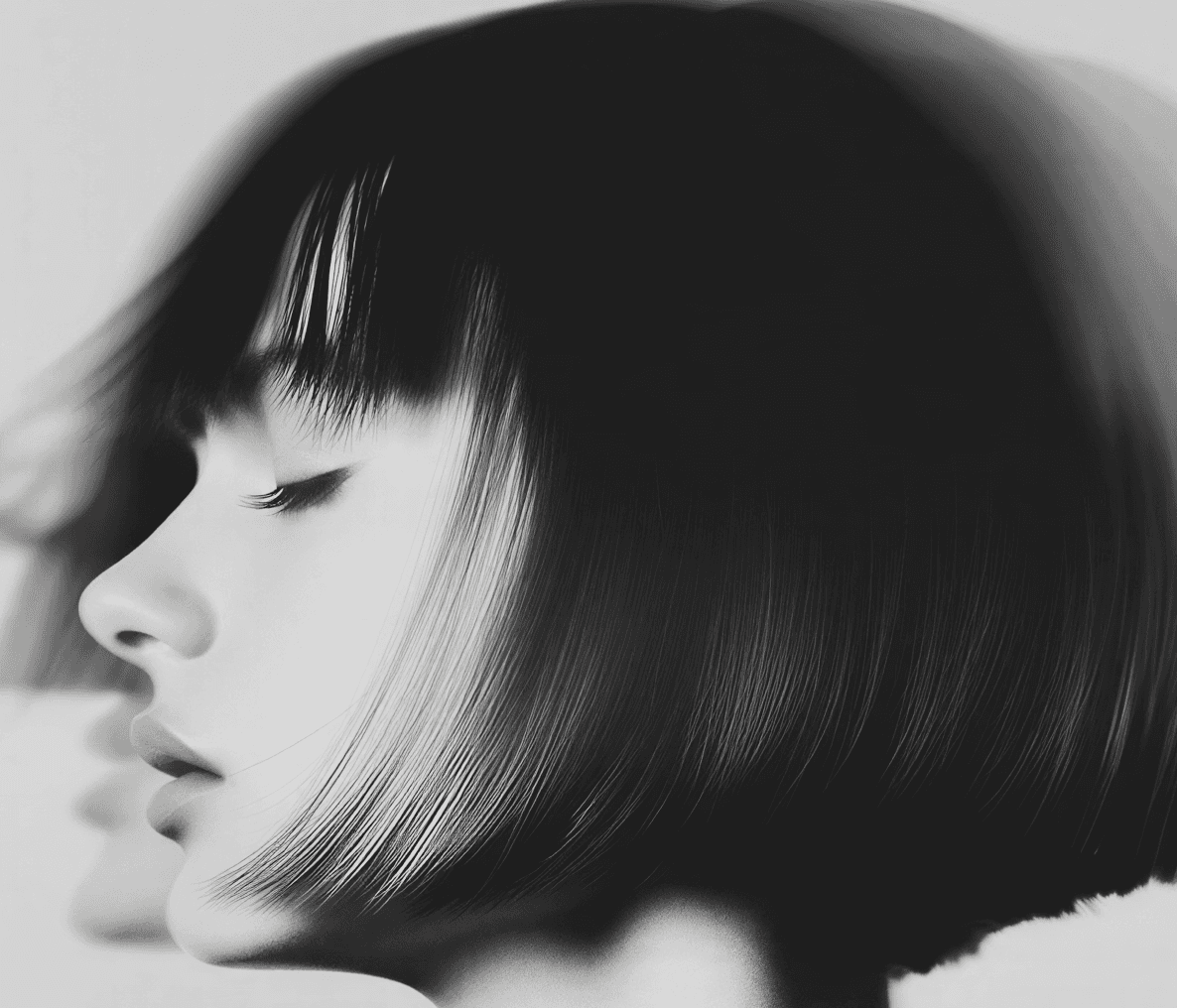
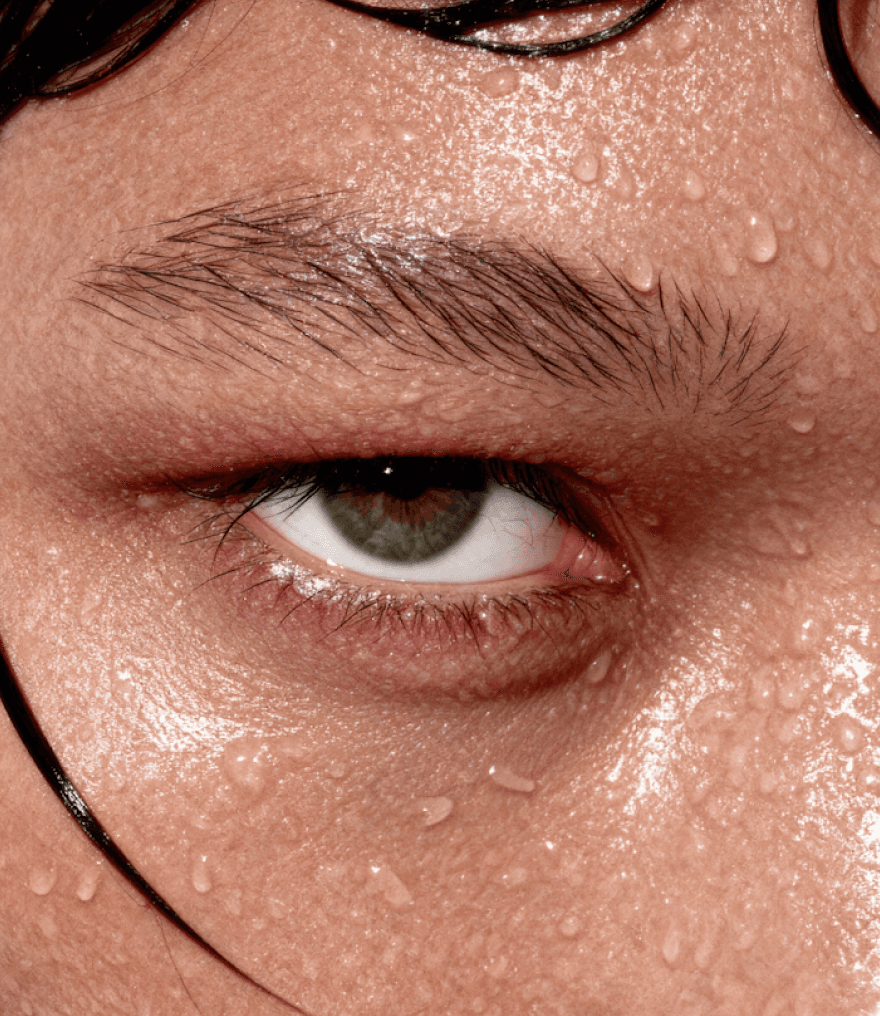
The concept centers around capturing vulnerability and intensity in a single subject. By using extreme close ups and bold color grading, the project blurs the line between reality and emotion, inviting viewers into a dreamlike state where light, texture, and movement tell the story more than words.
The strategy behind Wonderland is rooted in emotional pacing. Rather than competing for immediate attention, it focuses on sustained engagement. It assumes the viewer will stay, explore, and notice details over time. This allows the work to be more nuanced, more layered, and less dependent on instant clarity. It’s not about being loud or disruptive—it’s about being intriguing enough to hold attention without forcing it.
The Visual Language
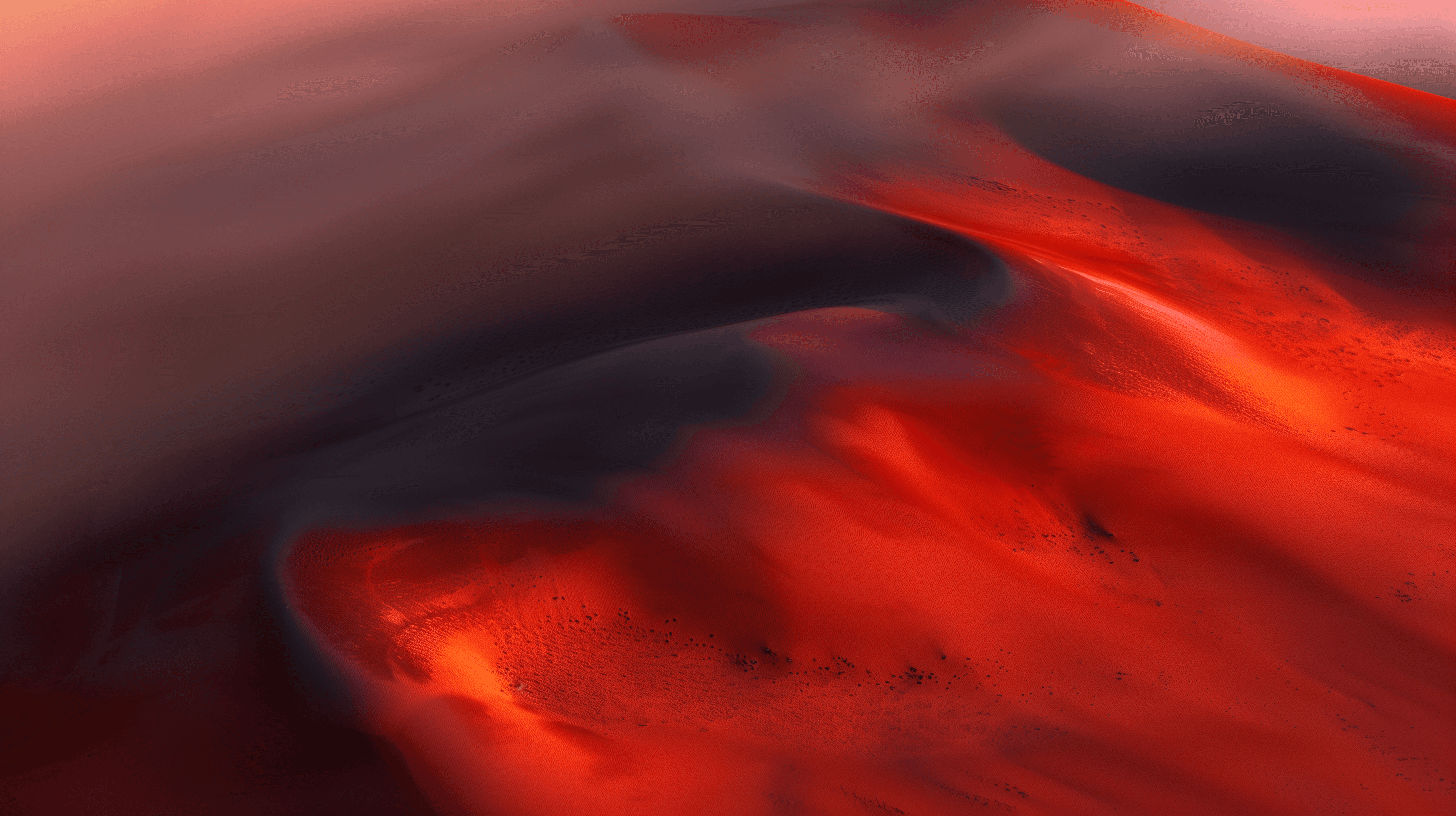
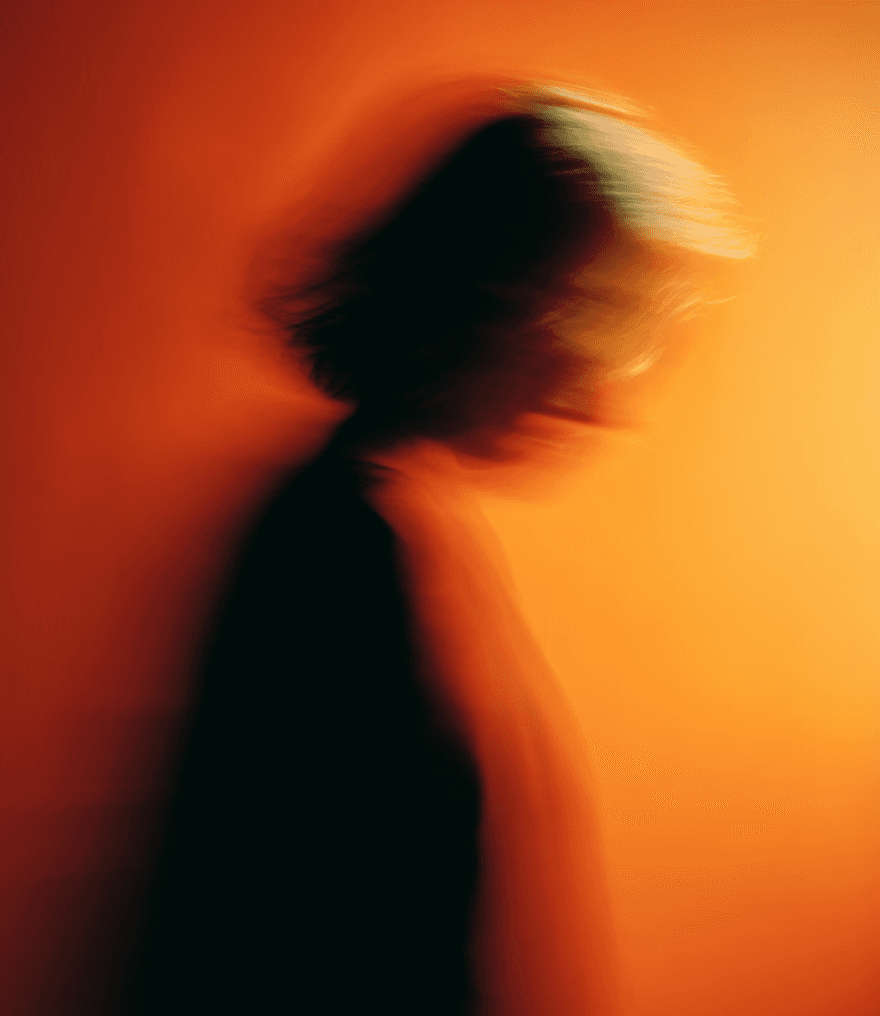
Visually, Wonderland leans into softness and cohesion. Colors tend to feel atmospheric rather than bold, compositions are balanced but not rigid, and typography supports the mood instead of dominating it. Nothing feels rushed or accidental. There is a sense of flow—each element leading naturally to the next. The restraint in the visuals creates space for interpretation, allowing the viewer to project their own meaning onto what they see..
Outcome
The experience of Wonderland is fluid and continuous. It unfolds gradually, rewarding attention rather than demanding it. Small details become more noticeable the longer you engage, and transitions feel seamless rather than abrupt. It doesn’t push the viewer forward—it allows them to move at their own pace, creating a more personal connection with the work.
In the end, Wonderland is less about what is shown and more about how it feels. It leaves behind a subtle impression—something atmospheric, slightly surreal, and gently memorable. It proves that not everything needs to be immediate to be effective. Sometimes, the most powerful experiences are the ones that take their time.